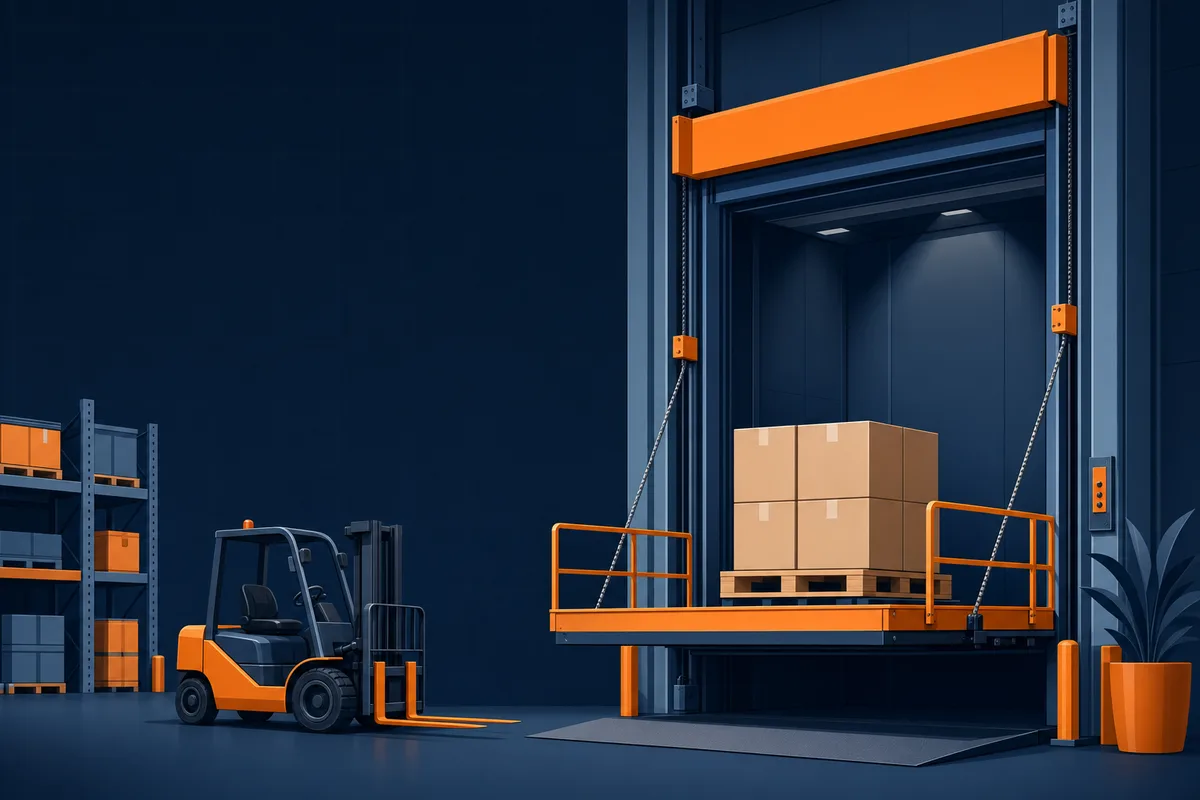
Yük asansörü seçiminde ilk soru nedir?
Yük asansörü seçerken ilk soru "ne kadar büyük kabin yapalım" değil, "hangi yük hangi şartlarda taşınacak" olmalıdır. Bir fabrikanın paletli ürün taşıması, restoranın yemek servisi, depoda koli transferi veya iş merkezinde teknik ekipman taşınması aynı ihtiyaç değildir. Kapasite, kabin ölçüsü, kapı tipi, durak sayısı ve sistem tipi bu senaryoya göre belirlenir.
Bursa'da sanayi tesisleri, depolar, üretim atölyeleri, restoranlar ve ticari binalar için yük asansörü ihtiyacı sık görülür. Bu yapılarda asansör yalnızca konfor ekipmanı değil, iş akışının parçasıdır. Yanlış seçilen sistem günlük operasyonu yavaşlatır, arıza riskini artırır ve can güvenliğini tehlikeye atabilir.
Bu nedenle asansör montaj hizmeti öncesi yerinde keşif yapılmalı; taşınacak yük, kullanım sıklığı, giriş çıkış yönleri ve bina altyapısı birlikte incelenmelidir. Yük asansörü fiyatları da ancak bu kapsam netleştiğinde sağlıklı karşılaştırılabilir.
Hangi yük asansörü tipleri vardır?
Yük asansörleri tek bir kategori değildir. İnsan ve yük taşıyabilen asansörler, yalnızca yük taşımaya yönelik platformlar, küçük yük asansörleri, servis veya yemek asansörleri ve özel endüstriyel çözümler farklı ihtiyaçlara cevap verir. İnsan taşıyan sistemlerde kabin, kapı, kumanda ve güvenlik gereklilikleri daha kapsamlıdır. Sadece yük taşıyan çözümlerde ise kullanım sınırlarının açıkça belirtilmesi gerekir.
Küçük yük asansörü, genellikle koli, dosya, ürün veya ekipman transferi için düşünülür. Yemek asansörü, restoran, otel, yemekhane ve servis alanlarında katlar arası tabak, tepsi veya küçük malzeme taşımak için kullanılır. Bu sistemlerin insan taşıma amacıyla kullanılması doğru değildir.
Endüstriyel yük asansörlerinde ise palet, transpalet, ağır makine parçası veya üretim malzemesi gündeme gelebilir. Bu durumda kabin tabanı, kapı açıklığı, platform dayanımı ve güvenlik kilitleri daha farklı değerlendirilir.
Kapasite ve kabin ölçüsü nasıl belirlenir?
Kapasite seçimi yalnızca toplam ağırlığa bakılarak yapılmaz. Yükün boyutu, ağırlık merkezi, kabine nasıl yerleştirileceği, palet veya transpalet kullanılıp kullanılmayacağı, kapıdan giriş açısı ve duraklardaki manevra alanı birlikte düşünülmelidir. Örneğin uzun ve hacimli bir yük, ağırlık olarak düşük olsa bile daha geniş kabin ve kapı açıklığı gerektirebilir.
Forklift veya transpalet senaryosu varsa kat zeminlerinin, kapı eşiklerinin ve kabin tabanının bu kullanıma uygunluğu ayrıca incelenir. Kabin zemini darbeye ve sürtünmeye dayanıklı olmalı, kullanıcıların yükleme sırasında güvenli durabileceği alan bırakılmalıdır. Yetersiz kapı genişliği veya yanlış giriş yönü, her kullanımda zaman kaybı ve hasar riski oluşturur.
Günlük kullanım yoğunluğu da önemlidir. Sürekli çalışan bir depoda sistemin mekanik dayanımı ve servis erişilebilirliği ön plana çıkar. Daha seyrek kullanılan bir teknik servis asansöründe ise farklı denge kurulabilir. Doğru karar, kullanım senaryosunun açık anlatılmasıyla verilir.
Yükleme alışkanlıkları da tasarımı etkiler. Personel yükü kabine iterek mi alacak, transpaletle mi girecek, yük tek noktada mı yoğunlaşacak, kapı önünde bekleme alanı olacak mı? Bu sorular, kabin tabanı kadar kumanda ve kapı güvenliğini de ilgilendirir. İşletme gerçek kullanımı saklamadan anlattığında, asansör daha dayanıklı ve güvenli seçilir.
Hidrolik mi halatlı mı tercih edilmeli?
Hidrolik yük asansörü, ağır yüklerde kontrollü hareket ve belirli seyir mesafelerinde avantaj sağlayabilir. Makine yerleşimi, kuyu ölçüsü, durak sayısı ve kullanım şekline göre uygun bir seçenek olabilir. Halatlı sistemler ise daha farklı hız, seyir mesafesi ve enerji verimliliği ihtiyaçlarında öne çıkabilir. Tek doğru sistem yoktur; binanın koşulları ve yük senaryosu belirleyicidir.
Hidrolik sistemlerde güç ünitesi, silindir, yağ hattı ve bakım erişimi dikkatle planlanmalıdır. Halatlı sistemlerde motor, fren, askı sistemi ve karşı ağırlık düzeni öne çıkar. Makine dairesiz çözümler de bazı yapılarda değerlendirilebilir; ancak yük asansörlerinde servis erişimi ve dayanıklılık gereksinimleri özellikle önemlidir.
Seçim yapılırken yalnızca ilk maliyet değil, enerji kullanımı, bakım kolaylığı, arıza müdahalesi, yedek parça erişimi ve uzun vadeli işletme güvenliği de hesaba katılmalıdır. Düzenli asansör bakım hizmeti, yük asansörlerinde üretim veya servis akışını kesintisiz tutmanın temel şartıdır.
Fabrika, depo, restoran ve iş merkezi senaryoları
Fabrika ve üretim tesislerinde yük asansörü çoğu zaman üretim hattının parçasıdır. Burada dayanıklılık, kapasite, vardiya yoğunluğu ve arıza halinde hızlı müdahale önem kazanır. Depolarda palet hareketi, kapı açıklığı ve durak alanı öne çıkar. Restoran ve otellerde yemek asansörü hijyen, sessiz çalışma ve servis akışına uyum açısından değerlendirilir.
İş merkezlerinde teknik ekipman, arşiv, mobilya veya servis malzemesi taşınabilir. Bu yapılarda kullanıcı trafiğiyle yük trafiğinin çakışmaması gerekir. İnsan asansörünü sürekli yük taşımak için kullanmak, kabin hasarı, kapı arızası ve konfor kaybı oluşturabilir. Doğru planlanan yük asansörü, binanın işletme düzenini korur.
Her senaryoda kullanıcı eğitimi de önemlidir. Kapasite sınırları, insan taşıma yasağı, yükleme kuralları ve arıza halinde yapılacaklar görünür şekilde anlatılmalıdır. Asansörün amacı dışına çıkılması, teknik olarak iyi tasarlanmış bir sistemi bile riskli hale getirebilir.
İşletmeler ayrıca arıza halinde alternatif taşıma planını düşünmelidir. Yük asansörü üretim veya servis akışının merkezindeyse kısa süreli duruş bile iş programını etkileyebilir. Bu nedenle bakım sözleşmesi, kritik arızalarda iletişim ve müdahale düzenini açık yazmalı; yönetim de kullanıcıları hangi durumlarda sistemi durduracakları konusunda bilgilendirmelidir.
Güvenlik ve periyodik kontrol unutulmamalı
Yük taşıyan asansörlerde de güvenlik ekipmanları, kapı kilitleri, fren sistemi, kumanda devreleri, aşırı yük koruması ve acil durdurma gibi başlıklar düzenli kontrol edilmelidir. "İnsan taşımıyor" düşüncesi güvenlik sorumluluğunu azaltmaz. Yükün düşmesi, kapı alanında sıkışma, kontrolsüz hareket veya yanlış kullanım ciddi iş güvenliği riski oluşturabilir.
Yük asansörleri için Asansör Periyodik Kontrol Yönetmeliği kapsamındaki periyodik kontrol süreci, işletme güvenliği açısından önemlidir. Etiket ve kontrol yaklaşımını genel olarak anlamak için asansör periyodik kontrol rehberini inceleyebilirsiniz. Sık arıza veren veya eskiyen sistemlerde asansör revizyonu da gündeme gelebilir.
Bakım kayıtları özellikle yük asansörlerinde operasyon yönetimine yardımcı olur. Hangi parça ne sıklıkla ayarlanıyor, kapı arızası hangi katta tekrarlıyor, aşırı yük uyarısı hangi vardiyada artıyor gibi bilgiler doğru okunduğunda hem güvenlik hem verimlilik iyileşir.
Bu kayıtlar, ileride kapasite artırımı veya revizyon kararı gerektiğinde yönetimin somut veriyle hareket etmesini sağlar.
Oluşum Asansör, Bursa ve çevresinde fabrika, depo, restoran ve ticari binalar için yük asansörü keşfi, montajı, bakım ve servis desteği sunar. Yükünüzü, kullanım yoğunluğunuzu ve bina koşullarınızı yerinde inceleyerek güvenli, dayanıklı ve işletmenize uygun çözümü birlikte belirleyelim.