Bakım ücreti neden tartışma konusu olur?
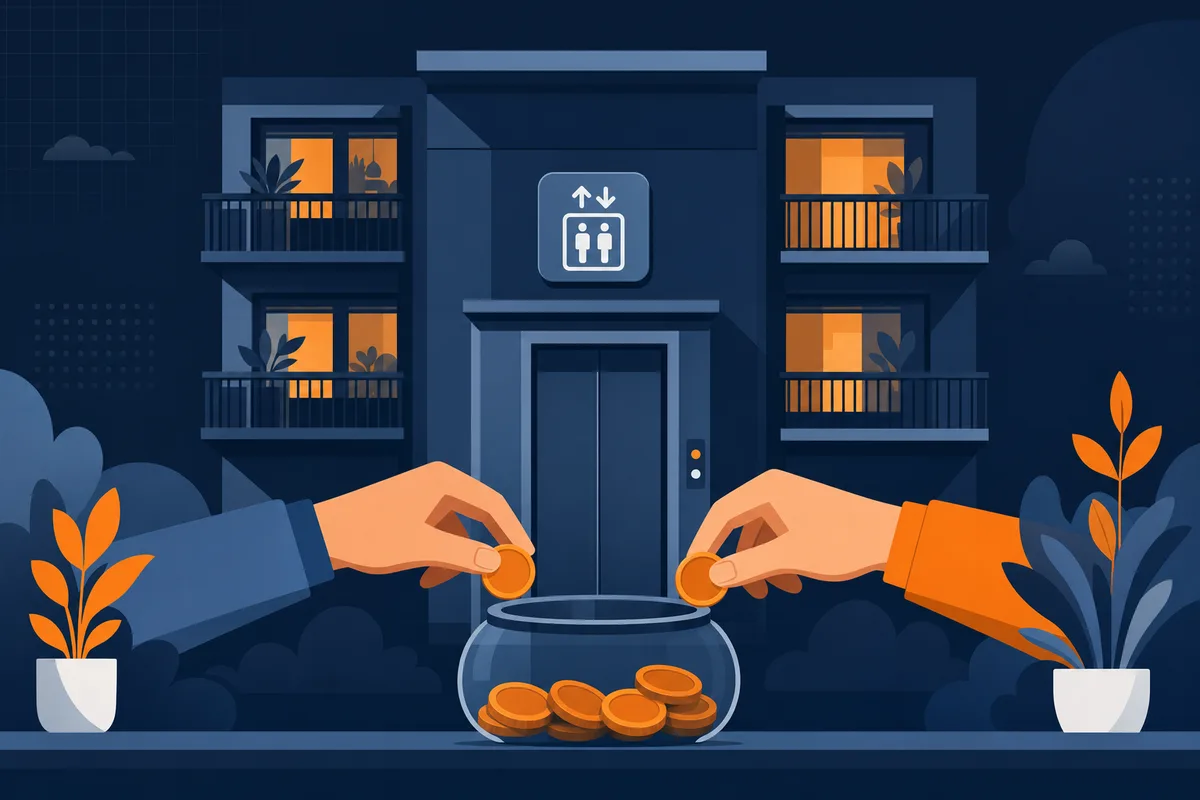
Asansör bakım ücretini kimin ödeyeceği, apartman ve site yönetimlerinde en sık gündeme gelen başlıklardan biridir. Çünkü asansör hem ortak kullanım alanıdır hem de düzenli teknik hizmet gerektirir. Kiracı günlük olarak asansörü kullanır; malik ise yapının ortak tesislerinden doğan kalıcı sorumluluklara sahiptir. Bu ikisi arasındaki ayrım net kurulmadığında aidat toplantıları gereksiz tartışmalarla uzar.
Öncelikle şunu ayırmak gerekir: düzenli bakım gideri, arıza onarımı, parça değişimi ve kapsamlı revizyon aynı şey değildir. Aylık bakım sözleşmesi kapsamında yapılan rutin kontroller, asansörün güvenli ve kesintisiz işletilmesi için düzenli hizmettir. Buna karşılık motor, kumanda panosu, kapı operatörü, kabin yenilemesi veya güvenlik ekipmanı modernizasyonu gibi kalıcı nitelikli işler farklı değerlendirilir.
Bu yazı teknik ve pratik bir çerçeve sunar. Hukuki uyuşmazlıklar için yönetim planı, kira sözleşmesi ve gerektiğinde uzman hukuki görüş dikkate alınmalıdır. Ancak bina yönetimleri doğru teknik ayrımı yaparsa ödeme konusundaki iletişim de daha sağlıklı ilerler.
Rutin bakım, ortak kullanımın sürekliliği içindir
Asansör bakımı, Asansör İşletme ve Bakım Yönetmeliği çerçevesinde günlük kullanıma açık bir sistemin güvenli çalışmasını sürdürmek için yapılır. Kapı ayarlarının kontrol edilmesi, hareketli parçaların gözden geçirilmesi, güvenlik devrelerinin test edilmesi, kabin çalışmasının izlenmesi, kuyu ve makine alanındaki genel durumun değerlendirilmesi bu hizmetin parçasıdır. Bu tür bakım, bina sakinlerinin asansörü güvenle kullanabilmesi için süreklidir.
Uygulamada düzenli bakım giderleri çoğunlukla aidat bütçesinin bir parçası olarak ele alınır. Kiracı, bağımsız bölümü kullanan kişi olarak ortak hizmetlerden yararlanır; bu nedenle günlük işletme giderlerine katılması beklenebilir. Ancak yönetim planı, kira sözleşmesi ve binanın özel kararları bu dağılımı etkileyebilir.
Yönetim açısından önemli olan, bakım bedelinin neyi kapsadığını açıkça bilmektir. Asansör bakım hizmeti sözleşmesinde rutin kontrol ile kapsam dışı parça değişimi ayrımı yazılı değilse, ödeme tartışmaları daha kolay çıkar. Şeffaf sözleşme, hem yöneticiyi hem kat maliklerini hem de kiracıları korur.
Malik sorumluluğu gerektiren kalıcı işler
Asansörde yapılan her işlem rutin bakım değildir. Eskiyen bir kumanda sisteminin yenilenmesi, kabin kapısının değiştirilmesi, motor veya tahrik sisteminin büyük onarımı, güvenlik ekipmanlarının modernizasyonu veya kabin estetiğinin komple yenilenmesi kalıcı nitelikte işlerdir. Bu tür işler, binanın ortak tesisinin değerini ve güvenlik seviyesini etkiler.
Bu nedenle kapsamlı revizyon ve büyük yenileme giderleri çoğu durumda maliklerin gündemine girer. Kiracı günlük kullanım giderlerine katılabilir; ancak yapının kalıcı değerini artıran yatırım niteliğindeki harcamalar farklı değerlendirilir. Kat Mülkiyeti Kanunu bağlamında ortak giderlere katılım, yönetim planı ve karar süreçleri bu noktada önem kazanır. Somut uyuşmazlıkta kesin hüküm vermek yerine ilgili belgelerin incelenmesi gerekir.
Teknik açıdan yönetim şunu yapmalıdır: arıza mı, bakım mı, yenileme mi, revizyon mu? Bu sorunun yanıtı netleşmeden "kiracı ödesin" veya "malik ödesin" demek sağlıklı değildir. Asansör sık arıza veriyor, periyodik kontrolde tekrar eden uygunsuzluklar çıkıyor veya güvenlik bileşenleri güncel değilse asansör revizyon hizmeti kapsamında keşif yaptırmak daha doğru olabilir.
Arıza giderleri nasıl değerlendirilir?
Arıza giderleri bakım sözleşmesinin kapsamına göre değişebilir. Bazı sözleşmeler yalnızca rutin bakım ve ayar işlemlerini kapsar; parça değişimi, yoğun arıza müdahalesi veya mesai dışı özel servis ayrıca ücretlendirilir. Bazı bakım anlaşmaları daha geniş destek içerebilir. Bu nedenle sözleşme okunmadan genel yorum yapmak doğru değildir.
Küçük ayar ve müdahaleler rutin bakımın parçası olabilir. Fakat kapı kartı, fotosel, kontaktör, fren bobini, regülatör halatı veya benzeri parçaların değişimi ayrıca maliyet doğurabilir. Yönetim, arıza tekliflerinde parçanın neden değişmesi gerektiğini, güvenlik etkisini ve alternatifleri teknik olarak sormalıdır.
Arıza giderinin kime yansıtılacağı yine giderin niteliğiyle ilgilidir. Günlük kullanımdan kaynaklanan küçük işletme giderleri ile sistemin yaşlanması nedeniyle gereken kalıcı parça yenilemeleri aynı değerlendirilmemelidir. Yönetim bu ayrımı sakinlere açık dille anlatırsa ödeme süreci daha az gerilimli olur.
Zemin katta oturanlar ve kullanım tartışması
Bir başka sık soru, zemin katta oturanların asansör bakımına katılıp katılmayacağıdır. Asansör, çoğu binada ortak tesis niteliğindedir. Ancak yönetim planında farklı düzenlemeler olabilir. Kat maliklerinin ortak giderlere katılımı konusunda binaya özel hükümler, kat mülkiyeti uygulaması ve yerleşik kararlar dikkate alınmalıdır.
Teknik açıdan asansörün güvenli kalması tüm binayı ilgilendirir. Zemin katta oturan bir kişi asansörü az kullanıyor olabilir; fakat asansörün ortak tesis olması, yangın, tahliye, taşınma, bakım erişimi veya misafir kullanımı gibi birçok dolaylı durumu beraberinde getirir. Yine de ödeme oranı ve muafiyet tartışması teknik servis firmasının değil, yönetim planının ve hukuki değerlendirmenin konusudur.
Yönetici burada taraf olmaktan çok süreci şeffaf yürütmelidir. Bakım sözleşmesi, fatura, rapor ve kararlar açık olursa katılım tartışması daha somut zeminde yapılır.
İyi bir bakım sözleşmesi neleri netleştirir?
Bakım ücreti tartışmalarının büyük kısmı belirsiz sözleşmelerden doğar. İyi bir sözleşmede bakım periyodu, kontrol listesi, arıza bildirim kanalı, müdahale süresi, kapsam dışı parça ve işçilikler, raporlama şekli, acil durum yaklaşımı ve ödeme düzeni açık olmalıdır. Yönetim, yalnızca en düşük fiyatı değil, hizmetin kapsamını da karşılaştırmalıdır.
Bakım firmasının her ay düzenli form bırakması, tespit edilen eksikleri yazılı bildirmesi ve periyodik kontrol öncesi teknik hazırlık yapması önemli kalite göstergeleridir. Asansör can taşıdığı için bakım hizmeti yalnızca maliyet kalemi olarak görülmemelidir. Düşük ama yetersiz hizmet, uzun vadede daha fazla arıza, daha yüksek revizyon ihtiyacı ve güvenlik riski doğurabilir.
Yönetim için pratik iletişim önerileri
Ödeme konusunda en sağlıklı yaklaşım, giderleri kategorilere ayırmaktır. Rutin bakım bedelini, arıza-parça giderlerini ve yatırım niteliğindeki revizyonları ayrı kalemler halinde toplantı gündemine alın. Her kalem için teknik gerekçe, teklif ve karar kaydı oluşturun. Kiracıya veya malike yansıtılacak tutarlar yönetim planı ve hukuki çerçeveyle birlikte değerlendirilsin.
Bina sakinlerine "asansör masrafı çıktı" demek yerine, "rutin bakım", "güvenliği etkileyen parça değişimi" veya "periyodik kontrol uygunsuzluğu için zorunlu giderim" gibi daha net ifadeler kullanın. Böylece herkes neye ödeme yaptığını anlar.
Oluşum Asansör, Bursa ve çevresindeki apartman ve site yönetimleri için bakım sözleşmesi, arıza değerlendirmesi, periyodik kontrol sonrası giderim ve revizyon planlama konularında teknik destek sunar. Asansör bakım ücretini doğru sınıflandırmak ve güvenli kullanım için şeffaf bir bakım düzeni kurmak istiyorsanız bize ulaşın.