Periyodik kontrol nedir?
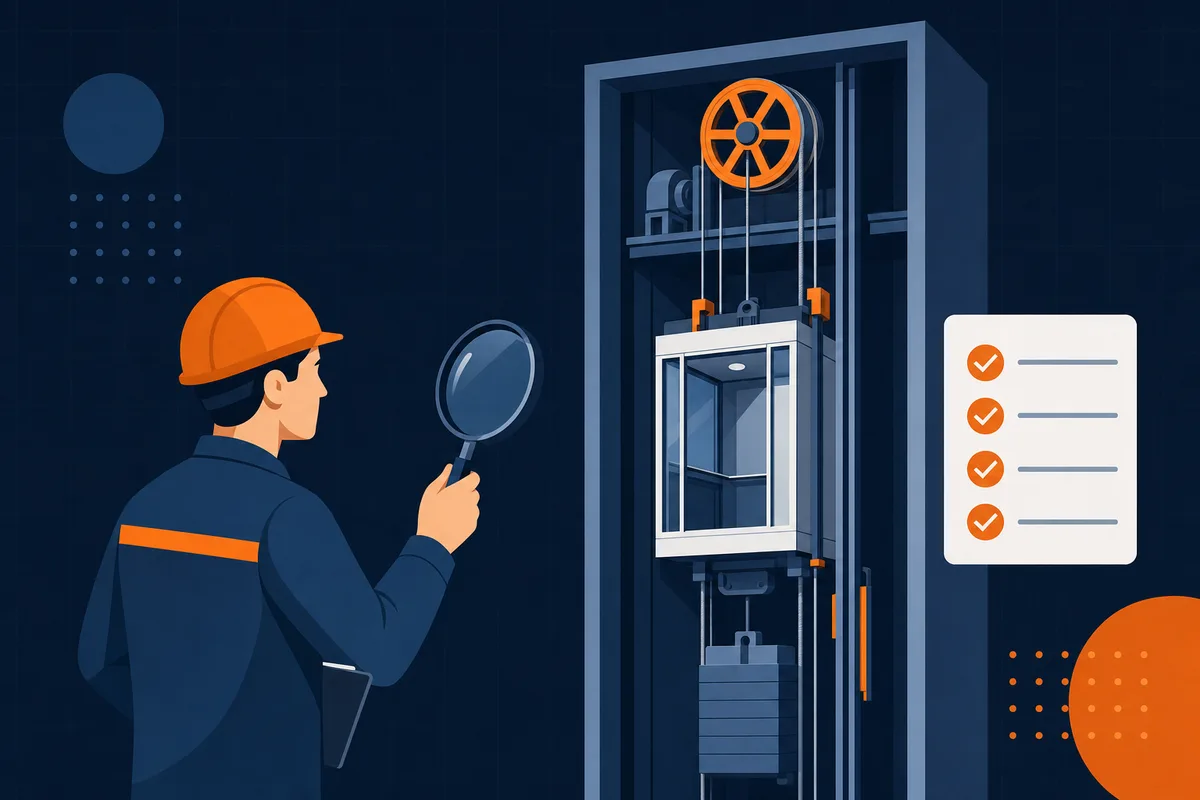
Asansör Periyodik Kontrol Yönetmeliği çerçevesinde periyodik kontrol, mevcut bir asansörün güvenli çalışıp çalışmadığını belirlemek için yapılan bağımsız teknik değerlendirmedir. Bina yöneticileri için bu süreç, yalnızca yıllık bir zorunluluk değil, kullanıcıların can güvenliğini düzenli olarak doğrulayan önemli bir adımdır. Bakım firması asansörü düzenli çalışır durumda tutmaya çalışır; periyodik kontrol ise bu durumun yetkili muayene kuruluşu tarafından denetlenmesini sağlar.
Asansörler zamanla yıpranır. Kapı mekanizmaları sık kullanılır, fren sistemi yük altında çalışır, kumanda bileşenleri çevresel koşullardan etkilenir, kuyu içindeki donanımlar kirlenebilir veya ayar ihtiyacı doğabilir. Bu yüzden yeni takılmış veya yıllardır kullanılan her asansör için kontrol disiplini gerekir.
Bursa'daki apartman ve site yönetimlerinde periyodik kontrol genellikle aidat, bakım ve revizyon gündemiyle birlikte konuşulur. Doğru yönetildiğinde süreç karmaşık değildir. Önemli olan, kontrol tarihini kaçırmamak, bakım firmasıyla koordinasyon kurmak, raporu anlamak ve eksikleri zamanında gidermektir.
A tipi muayene kuruluşu ne yapar?
Periyodik kontrol, yetkilendirilmiş A tipi muayene kuruluşları tarafından yürütülür; yönetim seçim yaparken Bakanlığın yetkili A tipi muayene kuruluşu listesini esas almalıdır. Bu kuruluşlar asansörü belirli kontrol kriterlerine göre inceler ve rapor düzenler. Kontrol sırasında bakım firmasının yaptığı rutin işlemler tekrar edilmez; asansörün güvenlik açısından uygunluğu bağımsız gözle değerlendirilir.
Muayene kuruluşu kapı kilitleri, kabin ve kat kapıları, güvenlik devreleri, fren sistemi, hız regülatörü, kuyu dibi, tamponlar, kabin içi donanımlar, acil durum ekipmanları, elektriksel koruma ve uyarı levhaları gibi pek çok noktayı inceler. Her binanın teknik yapısı farklı olabileceği için raporun içeriği de asansörün tipine ve durumuna göre değişebilir.
Burada yönetimin rolü, muayene kuruluşunu seçmekle sınırlı değildir. Yönetim; randevu organizasyonu, bakım firmasıyla koordinasyon, gerekli alanlara erişim, bina sakinlerinin bilgilendirilmesi ve rapor sonrası takibin yapılmasından sorumludur. Kontrol günü makine dairesi, kuyu erişimi, pano alanı ve ilgili anahtarların hazır olması süreci hızlandırır.
Kontrol öncesi hazırlık neden önemlidir?
Periyodik kontrol öncesi yapılan hazırlık, rapor sonucunu garanti etmez; ancak gereksiz aksaklıkları azaltır. Bakım firması kontrol öncesinde asansörün genel durumunu gözden geçirirse eksik uyarı levhası, çalışmayan acil aydınlatma, kapı ayarı, kabin içi buton arızası veya makine dairesi düzeni gibi kolay fark edilebilecek konular önceden ele alınabilir.
Bu hazırlık, kontrolü "geçmek" amacıyla yüzeysel bir düzenleme olarak görülmemelidir. Amaç, asansörün zaten güvenli olması gereken durumunu doğrulamaktır. Düzenli asansör bakım hizmeti alan binalarda kontrol öncesi stres daha düşüktür; çünkü bakım kayıtları ve teknik takip günceldir.
Yönetim kontrol tarihinden önce şu başlıkları gözden geçirebilir:
- Bakım sözleşmesi güncel mi?
- Son bakım formları asansör dosyasında mevcut mu?
- Makine dairesi veya pano alanına erişim hazır mı?
- Kabin içindeki acil haberleşme çalışıyor mu?
- Kapı hareketlerinde takılma, sert kapanma veya seviye farkı şikayeti var mı?
- Önceki yılın raporundaki eksikler kapatılmış mı?
Bu liste teknik muayenenin yerini tutmaz; ancak yönetimin süreci düzenli yürütmesine yardımcı olur.
Kontrol günü nasıl ilerler?
Kontrol günü muayene kuruluşu yetkilileri asansörü inceler. Bakım firmasının teknik personelinin hazır bulunması çoğu zaman faydalıdır; çünkü asansörün çalıştırılması, güvenli erişim ve teknik soruların yanıtlanması daha kolay olur. Yönetim temsilcisi de rapor ve süreç takibi açısından hazır bulunmalıdır.
Kontrol sırasında asansör kısa süreliğine kullanım dışı kalabilir. Bu durum bina sakinlerine önceden duyurulursa günlük akış daha az etkilenir. Özellikle yaşlı, engelli veya sağlık nedeniyle asansöre bağımlı kullanıcıların bulunduğu binalarda randevu saatinin duyurulması önemlidir.
Kontrol tamamlandığında rapor düzenlenir ve asansöre etiket uygulanır. Etiket rengi, asansörün kontrol sonucundaki durumunu özetler. Renklerin anlamı ve kırmızı etiket durumunda yapılacaklar için asansör etiket renkleri rehberine bakabilirsiniz.
Rapor sonrası ne yapılmalı?
Periyodik kontrolün asıl değeri rapor sonrası takipte ortaya çıkar. Rapor uygunsa bile yönetim bunu dosyalamalı ve düzenli bakıma devam etmelidir. Uygunsuzluk varsa rapor bakım firmasıyla birlikte teknik olarak değerlendirilmelidir. Hangi eksik kullanıcı güvenliğini doğrudan etkiliyor, hangisi planlı parça değişimi gerektiriyor, hangisi daha kapsamlı modernizasyon konusu olabilir, bu ayrım net yapılmalıdır.
Yönetim, rapordaki maddeler için yazılı teklif ve iş programı talep etmelidir. Sözlü konuşmalar, yönetim değişikliğinde veya kat malikleriyle yapılacak değerlendirmelerde yeterli olmaz. Yapılacak işin kapsamı, kullanılacak parça, uygulama süresi ve kontrol sonrası beklenen sonuç açık olmalıdır.
Eski asansörlerde bazı uygunsuzluklar tekrar tekrar rapora girebilir. Bu durumda her yıl küçük müdahaleler yapmak yerine asansör revizyon hizmeti kapsamında daha kalıcı bir modernizasyon planı değerlendirilmelidir. Revizyon kararı teknik gereklilik, kullanım yoğunluğu, bütçe ve güvenlik önceliği birlikte ele alınarak verilmelidir.
Sık yapılan yönetim hataları
Periyodik kontrol sürecinde en sık hata, kontrol tarihinin unutulmasıdır. Yönetim değiştiğinde veya dosya düzeni zayıf olduğunda önceki kontrol tarihi, rapor ve etiket bilgisi kaybolabilir. Bu nedenle asansör dosyasında her yıl için ayrı bölüm tutulması faydalıdır.
İkinci hata, raporu yalnızca etiket rengiyle değerlendirmektir. Renk önemli bir uyarıdır; fakat teknik karar rapordaki maddelere göre verilir. Sarı veya mavi etiket alan bir asansörde "nasıl olsa çalışıyor" demek, eksiklerin büyümesine yol açabilir.
Üçüncü hata, bakım firmasıyla iletişimi yalnızca arıza olduğunda kurmaktır. Düzenli bakım toplantısı, kısa teknik değerlendirme ve kayıt takibi, yıllık kontrolde daha sağlıklı sonuç alınmasına katkı sağlar. Asansör, bina yönetiminin sürekli takip ettiği bir güvenlik sistemi olarak görülmelidir.
Bina yönetimi için kısa yol haritası
Periyodik kontrolü düzenli yönetmek için yıllık takvime kontrol ayı ekleyin. Kontrolden birkaç hafta önce bakım firmasıyla genel durum değerlendirmesi yapın. Muayene kuruluşu randevusunu netleştirin, bina sakinlerini bilgilendirin, kontrol günü teknik erişimi hazır edin. Rapor geldikten sonra eksikleri yazılı plana bağlayın ve giderim sonrası belgeleri dosyalayın.
Bu yol haritası, hem yönetim sorumluluğunu daha şeffaf hale getirir hem de bina sakinlerinin güvenini artırır. Asansör bakım ve kontrol süreçleri doğru yönetildiğinde arıza maliyetleri azalır, kullanıcı güvenliği artar ve ani revizyon kararlarının önüne geçilir.
Oluşum Asansör, Bursa ve çevresinde bina yönetimlerine periyodik kontrol öncesi hazırlık, rapor değerlendirme, bakım planı ve revizyon ihtiyaç analizi konularında destek verir. Kontrol tarihiniz yaklaşıyorsa veya raporunuzdaki maddeleri anlamakta zorlanıyorsanız bize ulaşın; asansörünüz için güvenli ve uygulanabilir bir plan oluşturalım.