Etiket renkleri neden önemlidir?
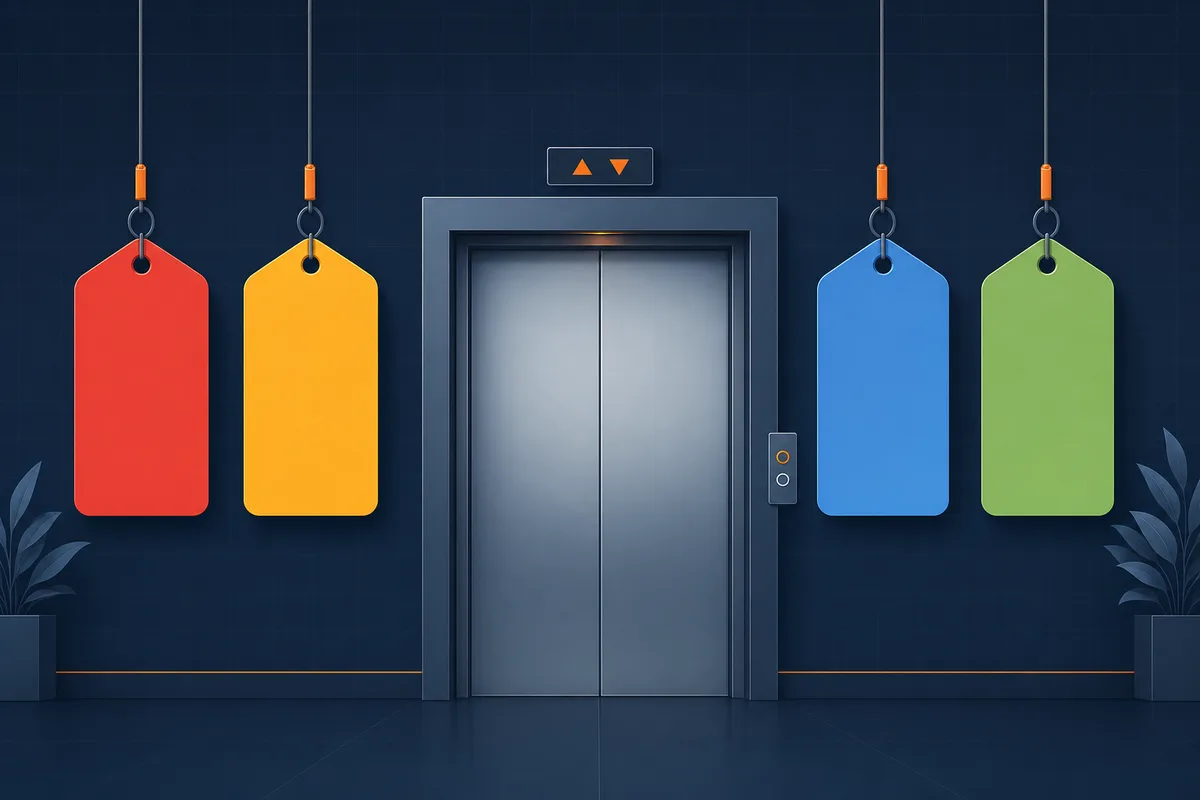
Asansör etiket renkleri, periyodik kontrol sonrası asansörün güvenlik durumunu bina sakinlerine ve yönetime anlatan kısa ama önemli bir işarettir. Etiketin amacı yalnızca bir prosedürü tamamlamak değildir; kullanıcıların her gün bindiği asansörün o anki güvenlik seviyesini görünür kılmaktır. Bu nedenle "asansör çalışıyor" demek, etiketin verdiği mesajı önemsiz hale getirmez.
Apartman ve site yönetimlerinde en çok sorulan konu kırmızı etikettir. Kırmızı etiket görüldüğünde sakinler haklı olarak endişelenir, yönetim ise hangi adımı önce atması gerektiğini anlamaya çalışır. Sarı, mavi ve yeşil etiketlerde de benzer kafa karışıklığı yaşanabilir. Oysa doğru yaklaşım basittir: kontrol raporu okunur, uygunsuzlukların güvenlik etkisi ayrılır, bakım firmasıyla giderim planı yapılır ve süreç kayıt altına alınır.
Bursa'da yoğun kullanılan konut sitelerinde, iş merkezlerinde ve kamuya açık yapılarda etiket süreci can güvenliği açısından özellikle önemlidir. Asansör gün içinde çok sayıda kullanıcı taşıdığı için küçük görünen bir kapı, fren veya seviyeleme problemi zamanla ciddi riske dönüşebilir.
Etiket süreci nasıl oluşur?
Asansörlerde etiket, Asansör Periyodik Kontrol Yönetmeliği kapsamındaki yıllık periyodik kontrol sonrası verilir. Bu kontrol, bakım firmasının yaptığı aylık bakımın yerine geçmez. A tipi muayene kuruluşu asansörü teknik kriterlere göre inceler ve bulguları rapora işler. Rapor sonucunda asansöre uygun renkte etiket uygulanır.
Bakım firması bu süreçte yönetimin teknik çözüm ortağıdır. Kontrol öncesi asansörün genel durumunu gözden geçirebilir, eksik görülen alanları yönetime bildirebilir ve kontrol sonrası rapordaki uygunsuzlukların giderilmesini planlayabilir. Kontrolün nasıl ilerlediğini daha detaylı öğrenmek için asansör periyodik kontrol rehberini inceleyebilirsiniz.
Etiket rengi, raporun tamamının yerine geçmez. Renk hızlı bir özet sunar; asıl teknik detay rapordadır. Yönetimin yalnızca etikete bakması yeterli değildir. Hangi parçanın, hangi güvenlik devresinin veya hangi fiziksel koşulun uygunsuz olduğu raporda görülmeli ve iş planı buna göre hazırlanmalıdır.
Kırmızı etiket: ciddi uygunsuzluk sinyali
Kırmızı etiket, asansörde güvenli kullanımı engelleyen ciddi uygunsuzluklar bulunduğunu gösterir. Bu durum göz ardı edilmemelidir. Kırmızı etiket alan asansörde yönetim, bakım firması ve gerekiyorsa kat malikleri hızlıca bir araya gelmeli, rapordaki eksikleri gidermek için net bir yol haritası oluşturmalıdır.
Kırmızı etiketin nedeni tek bir parça olmayabilir. Kapı kilitleri, fren sistemi, hız regülatörü, kuyu dibi koşulları, güvenlik tertibatı, elektrik panosu, acil haberleşme veya kabin-kat seviye farkı gibi farklı başlıklar ciddi uygunsuzluk konusu olabilir. Burada önemli olan, varsayımla hareket etmemek ve raporun teknik içeriğine bakmaktır.
Kırmızı etiket "güvensiz" anlamına gelir ve bu durumdaki asansörün, eksiklikler giderilene kadar kullanıma kapatılması gerekir. "Bir süre daha idare edelim" yaklaşımı hem mevzuata hem de can güvenliğine aykırıdır; yönetim kullanımı durdurmalı ve giderim sürecini hızla başlatmalıdır. Eski sistemlerde kırmızı etikete neden olan problemler bazen basit bakım işlemiyle giderilir; bazen de asansör revizyonu gerekebilir.
Sarı ve mavi etiket: takip edilmesi gereken uygunsuzluklar
Sarı ve mavi etiketler, asansörde giderilmesi gereken uygunsuzluklar bulunduğunu gösterir. Bu renklerde risk seviyesi kırmızı etikete göre farklı olabilir; ancak "önemsiz" anlamına gelmez. Yönetimin yapması gereken, raporda belirtilen eksikleri süresi içinde ele almak ve bakım firmasıyla yazılı takip yapmaktır.
Bu etiketlerde sık yapılan hata, asansör çalışmaya devam ettiği için süreci unutmak veya bir sonraki yıla bırakmaktır. Oysa yönetmelik yaklaşımının temel amacı, sorun büyümeden önlem alınmasıdır. Kapı ayarları, sinyalizasyon, uyarı levhaları, acil aydınlatma, kabin içi iletişim veya makine dairesi düzeni gibi başlıklar küçük görünse de kullanıcı deneyimi ve güvenliği açısından önemlidir.
Yönetim açısından en sağlıklı yöntem, kontrol raporunu bakım firmasıyla birlikte madde madde değerlendirmektir. Hangi uygunsuzluk hemen giderilecek, hangisi parça tedariki gerektiriyor, hangisi daha kapsamlı modernizasyon planına alınmalı, bunlar netleşmelidir. Asansör bakım hizmeti düzenli yürütülüyorsa bu takip daha kontrollü ilerler.
Yeşil etiket: uygunluk, fakat bakım devam eder
Yeşil etiket, kontrol tarihinde asansörün uygun bulunduğunu gösterir. Bu iyi bir sonuçtur; ancak asansörün bir yıl boyunca bakım gerektirmeyeceği anlamına gelmez. Asansör dinamik bir sistemdir. Kapılar her gün açılıp kapanır, halatlar ve kasnaklar yük taşır, fren ve kumanda bileşenleri sürekli çalışır.
Yeşil etiketli bir asansörde de düzenli bakım yapılmalı, kullanıcı şikayetleri takip edilmeli ve arıza kayıtları tutulmalıdır. Özellikle yoğun kullanılan binalarda yeşil etiket, güvenli işletmenin sadece bir anlık fotoğrafıdır. Fotoğrafın güncel kalması için bakım disiplininin sürmesi gerekir.
Yönetim, yeşil etiketi bina sakinlerine güven veren bir sonuç olarak paylaşabilir. Fakat bunu "artık masraf yok" şeklinde yorumlamak yanlıştır. Bakım bütçesi, güvenli ve konforlu kullanımın sürekli parçasıdır.
Etiket ücretini kim öder?
Etiket ve periyodik kontrol sürecindeki maliyetler, bina yönetimlerinde sık tartışılır. Genel yaklaşımda asansör ortak kullanım alanıdır ve kontrol, bakım, onarım gibi giderler yönetim planı, aidat düzeni ve ilgili mevzuat çerçevesinde değerlendirilir. Kiracı ve malik ayrımı özellikle bakım giderlerinde gündeme gelir; bu konuyu asansör bakım ücretini kim öder rehberinde daha ayrıntılı ele aldık.
Burada teknik açıdan önemli olan, maliyet tartışmasının güvenlik kararını geciktirmemesidir. Kırmızı etiket veya ciddi uygunsuzluk bulunan bir asansörde giderim bedelinin nasıl paylaştırılacağı ayrı bir yönetim konusudur; eksiklerin güvenli biçimde giderilmesi ise can güvenliği konusudur.
Yönetimin uygulayabileceği kısa kontrol listesi
Etiket sürecini yönetmek için karmaşık bir sistem kurmak gerekmez. Yönetim şu adımları düzenli uygularsa hem teknik takip hem de iletişim kolaylaşır:
- Kontrol raporunu yalnızca etiket rengine göre değil, madde madde inceleyin.
- Bakım firmasından uygunsuzluklar için yazılı değerlendirme ve teklif alın.
- Güvenliği etkileyen başlıkları toplantı gündeminde önceliklendirin.
- Yapılan işlemleri tarih ve belgeyle kayıt altına alın.
- Bina sakinlerini sade ve panik yaratmayan bir dille bilgilendirin.
- Giderim sonrası gerekli takip kontrolünü ihmal etmeyin.
Oluşum Asansör, Bursa ve çevresinde etiket raporlarının teknik değerlendirilmesi, bakım planının oluşturulması ve revizyon ihtiyacının netleştirilmesi için bina yönetimlerine destek verir. Asansörünüzde kırmızı, sarı, mavi veya yeşil etiket süreciyle ilgili soru işaretleri varsa bize ulaşın; raporu birlikte okuyalım, güvenli ve uygulanabilir adımları belirleyelim.