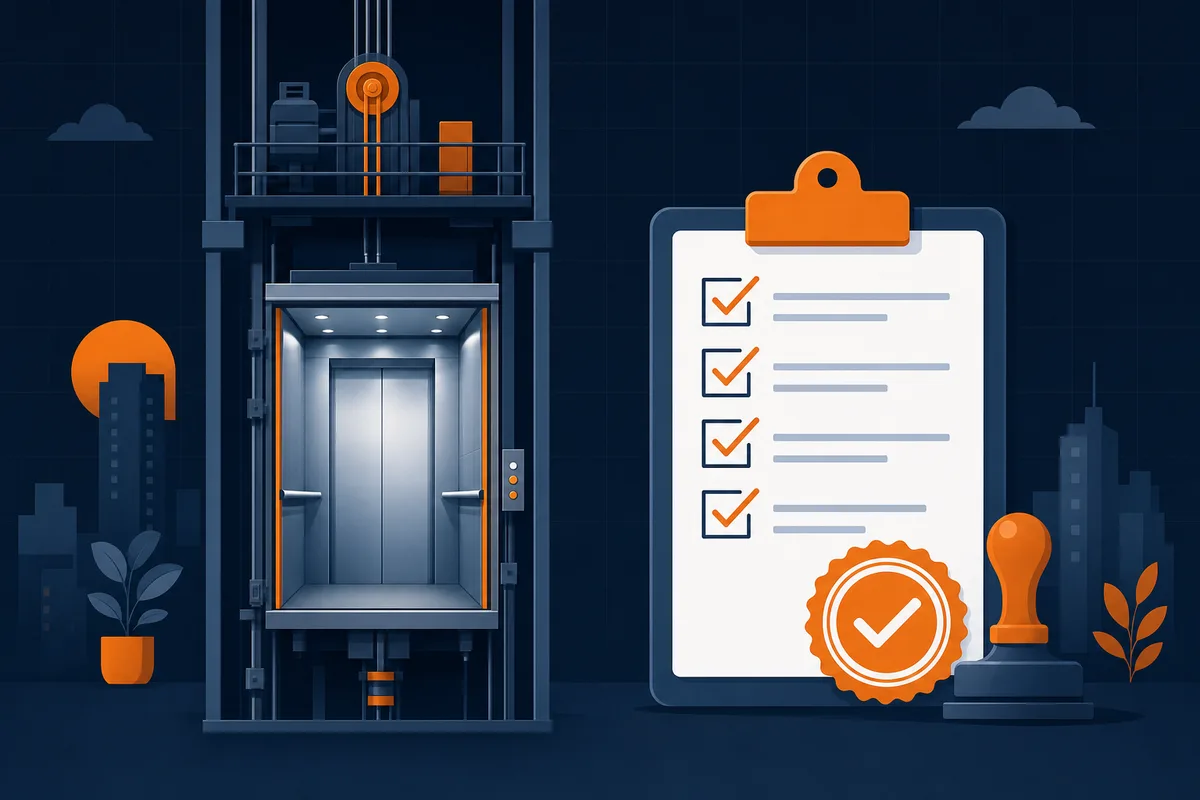
Asansör yönetmeliği neden bina yönetiminin gündeminde olmalı?
Apartman, site, iş merkezi veya kamu binasında kullanılan her asansör, yalnızca mekanik bir taşıma sistemi değildir; doğrudan can güvenliğiyle ilişkili bir ekipmandır. Bu nedenle asansör yönetmeliği, bina yöneticisi için teknik bir evrak konusu olmaktan çok daha fazlasını ifade eder. Yönetmeliklerin amacı, asansörün kurulumundan günlük kullanımına, bakımından yıllık kontrolüne kadar güvenli işletme şartlarını belirlemektir.
Bursa gibi yoğun konut ve ticari yapı stokuna sahip şehirlerde asansörler gün içinde yüzlerce kez çalışır. Kullanım yoğunluğu arttıkça kapı kilitleri, fren sistemi, kumanda panosu, halatlar, güvenlik devreleri ve kabin donanımları daha düzenli izlenmelidir. Yönetmelikler bu ihtiyacı kişisel inisiyatife bırakmaz; bina sorumlusu, bakım firması ve muayene kuruluşu arasında izlenebilir bir süreç kurulmasını ister.
Bu rehber, bina yöneticilerinin asansör yönetmeliği başlığında en sık karşılaştığı soruları sade biçimde özetler. Metin bir hukuki danışmanlık yerine geçmez; ancak yönetimlerin doğru teknik çerçeveyi anlamasına, bakım ve kontrol süreçlerini daha bilinçli takip etmesine yardımcı olur.
Temel çerçeve: güvenli işletme ve piyasaya arz
Asansörlerle ilgili mevzuat iki ana başlıkta düşünülebilir. İlki, yeni asansörlerin tasarımı, imalatı, montajı ve piyasaya arzı ile ilgilidir. Avrupa Birliği uyum sürecindeki Asansör Yönetmeliği (2014/33/AB) yaklaşımı, asansörün piyasaya güvenli şekilde sunulması, uygunluk değerlendirmesi, CE işareti ve teknik dosya gibi konuları kapsar. Bu kısım daha çok imalatçı, monte eden firma ve uygunluk değerlendirme kuruluşlarının sorumluluk alanına girer.
İkinci başlık ise mevcut asansörlerin işletilmesi ve bakımıdır. Bina kullanıma açıldıktan sonra asansörün güvenli kalması, düzenli bakım ve periyodik kontrolle sağlanır. Bina yöneticisinin günlük hayatta daha çok karşılaştığı alan budur. Asansör İşletme ve Bakım Yönetmeliği çerçevesinde bina sorumlusu; bakım sözleşmesini yaptırmak, bakım kayıtlarını saklamak, periyodik kontrolü takip etmek ve güvenliği etkileyen eksikleri gidermekle yükümlüdür.
Bu ayrım önemlidir. Yeni montaj aşamasında doğru proje ve uygun ekipman seçimi kritik olduğu gibi, yıllar içinde sistemin güvenli çalışmaya devam etmesi de aynı derecede önemlidir. Yeni bir sistem planlıyorsanız asansör montaj hizmeti sayfası, mevcut sistemin güncellenmesi gerekiyorsa asansör revizyon hizmeti daha doğru başlangıç noktası olabilir.
Bina yöneticisinin pratik sorumlulukları
Bina sorumlusu çoğu zaman teknik uzman değildir. Yönetmelikler de yöneticiden mühendis gibi arıza teşhisi koymasını beklemez. Beklenen şey, asansörün güvenli işletilmesi için doğru firmalarla çalışılması ve kayıtların düzenli takip edilmesidir. Bu pratikte birkaç temel adıma karşılık gelir.
Öncelikle asansör için yetkin bir bakım firmasıyla yazılı bakım sözleşmesi yapılmalıdır. Sözleşme; bakım periyodu, müdahale kapsamı, raporlama düzeni, arıza bildirim yöntemi ve acil durum iletişimi gibi konuları açıkça içermelidir. Düzenli bakım yalnızca yağlama veya yüzeysel kontrol anlamına gelmez; kapı emniyetleri, fren tertibatı, kumanda sistemi, kuyu dibi, makine dairesi veya makine dairesiz sistem bileşenleri gibi güvenlik açısından kritik noktalar gözden geçirilir.
İkinci olarak bakım kayıtları saklanmalıdır. Yönetim değiştiğinde veya periyodik kontrol sırasında geçmiş kayıtlar, asansörün izlenebilirliği açısından önemlidir. Eksik kayıtlar, sorunun ne zaman başladığını veya hangi işlemin yapıldığını belirsiz hale getirir.
Üçüncü olarak yıllık periyodik kontrol takvimi kaçırılmamalıdır. Periyodik kontrol, A tipi muayene kuruluşları tarafından yapılır ve bakım firmasının düzenli hizmetinden farklıdır. Kontrol sonunda asansöre renkli etiket uygulanır ve rapor düzenlenir. Etiket rengi güvenlik durumunu gösterir; detaylı anlamları asansör etiket renkleri rehberinde ayrıca ele aldık.
Bakım ve periyodik kontrol aynı şey değildir
Bina yönetimlerinde en sık karışan konu budur. Bakım, asansörün düzenli çalışması ve arıza risklerinin azaltılması için bakım firması tarafından yapılan planlı teknik hizmettir. Periyodik kontrol ise yetkili muayene kuruluşunun asansörü belirli kriterlere göre bağımsız olarak değerlendirmesidir.
Bakım firmasının görevi, asansörü güvenli ve çalışır durumda tutmak, tespit ettiği uygunsuzlukları yönetime bildirmek ve gerekli düzeltme çalışmalarını önermektir. Periyodik kontrol kuruluşu ise sistemin mevcut güvenlik seviyesini denetler; eksikleri raporlar ve etiket sürecini yürütür. Bu iki süreç birbirini tamamlar. Düzenli bakım yapılmayan asansörün periyodik kontrolde sorunsuz sonuç vermesi beklenmemelidir.
Özellikle sık arıza veren, kapı hareketlerinde problem olan, kabin seviyeleme hatası yapan veya kullanıcı şikayeti artan asansörlerde yalnızca kontrol tarihini beklemek doğru değildir. Bu durumda periyodik bakım hizmeti kapsamında teknik inceleme yapılmalı, riskli parçalar için plan oluşturulmalıdır.
Uygunsuzluk çıktığında yönetim nasıl hareket etmeli?
Periyodik kontrol sonunda raporda uygunsuzluk çıkabilir. Bu durum her zaman panik anlamına gelmez; ancak raporun ciddiye alınması gerekir. Uygunsuzluğun güvenlik seviyesine etkisi, etiket rengi ve raporda belirtilen açıklamalara göre değerlendirilmelidir. Güvenliği doğrudan etkileyen eksikler ertelenmemeli, bakım firmasıyla yazılı bir iş planı oluşturulmalıdır.
Yönetim kurulunun burada dikkat etmesi gereken nokta, "asansör çalışıyor" algısına kapılmamaktır. Bir asansör hareket ediyor olabilir; fakat kapı kilidi, fren sistemi, tampon, hız regülatörü, kuyu güvenliği veya elektriksel emniyet devrelerinde kritik uygunsuzluk bulunabilir. Can güvenliği açısından çalışır görünmek tek başına yeterli değildir.
Eksikler giderildikten sonra gerekli takip kontrolü yapılmalı ve güncel rapor saklanmalıdır. Yönetim, kat maliklerine veya site sakinlerine sürecin teknik gerekçesini sade biçimde anlatırsa karar almak kolaylaşır. Özellikle revizyon gerektiren eski sistemlerde maliyet tartışması yaşanabilir; ancak güvenlik eksiklerinin ertelenmesi uzun vadede daha büyük risk ve maliyet doğurur.
Yönetim dosyasında neler bulunmalı?
İyi yönetilen bir binada asansör dosyası düzenli tutulur. Bu dosyada bakım sözleşmesi, aylık bakım formları, arıza kayıtları, periyodik kontrol raporları, etiket bilgileri, yapılan parça değişimlerine ait belgeler ve önemli yazışmalar bulunmalıdır. Dijital kopya tutulması da faydalıdır; ancak sahada ihtiyaç olduğunda temel evraklara hızlı ulaşılabilmelidir.
Birden fazla asansörü olan sitelerde her asansör için ayrı takip yapmak gerekir. Aynı binadaki iki asansör farklı yaşta, farklı yoğunlukta veya farklı teknik durumda olabilir. Bu nedenle "blok bazlı" ya da "asansör bazlı" kayıt düzeni, bakım ve kontrol süreçlerini çok daha anlaşılır hale getirir.
Bursa'da profesyonel destek neden önemli?
Bursa'da apartman, site, fabrika ve iş merkezi tipolojisi oldukça çeşitlidir. Bazı binalarda eski hidrolik sistemler, bazılarında yoğun kullanılan elektrikli yolcu asansörleri, bazılarında yük ve servis asansörleri bulunur. Bu çeşitlilik, bakım ve yönetmelik takibini standart bir evrak işinden çıkarır; sahayı tanıyan teknik ekibin değerlendirmesini önemli hale getirir.
Oluşum Asansör, bakım, arıza, revizyon ve montaj süreçlerinde bina yönetimlerinin teknik kararlarını netleştirmeye yardımcı olur. Amacımız gereksiz işlem önermek değil; asansörün mevcut durumunu doğru değerlendirmek, güvenliği etkileyen başlıkları ayırmak ve yönetimin uygulanabilir bir yol haritası oluşturmasını sağlamaktır.
Asansör yönetmeliğiyle ilgili sürecinizde bakım kayıtlarınızı, periyodik kontrol raporunuzu veya revizyon ihtiyacınızı birlikte değerlendirmek isterseniz Oluşum Asansör'e ulaşın. Bursa ve çevresindeki binalar için güvenli, şeffaf ve teknik temeli güçlü çözümler sunuyoruz.