Asansör nasıl çalışır?
Asansör, kabini güvenli şekilde katlar arasında hareket ettiren mekanik, elektrik ve elektronik sistemlerin birleşimidir. Kullanıcı kabindeki veya kattaki butona bastığında kumanda sistemi çağrıyı alır, kapı güvenliklerini kontrol eder, motoru uygun yönde çalıştırır ve kabinin hedef katta güvenli şekilde durmasını sağlar. Bu süreç basit görünür; ancak arkasında fren, hız kontrolü, kapı kilitleri, güvenlik devreleri ve acil haberleşme gibi çok sayıda bileşen bulunur.
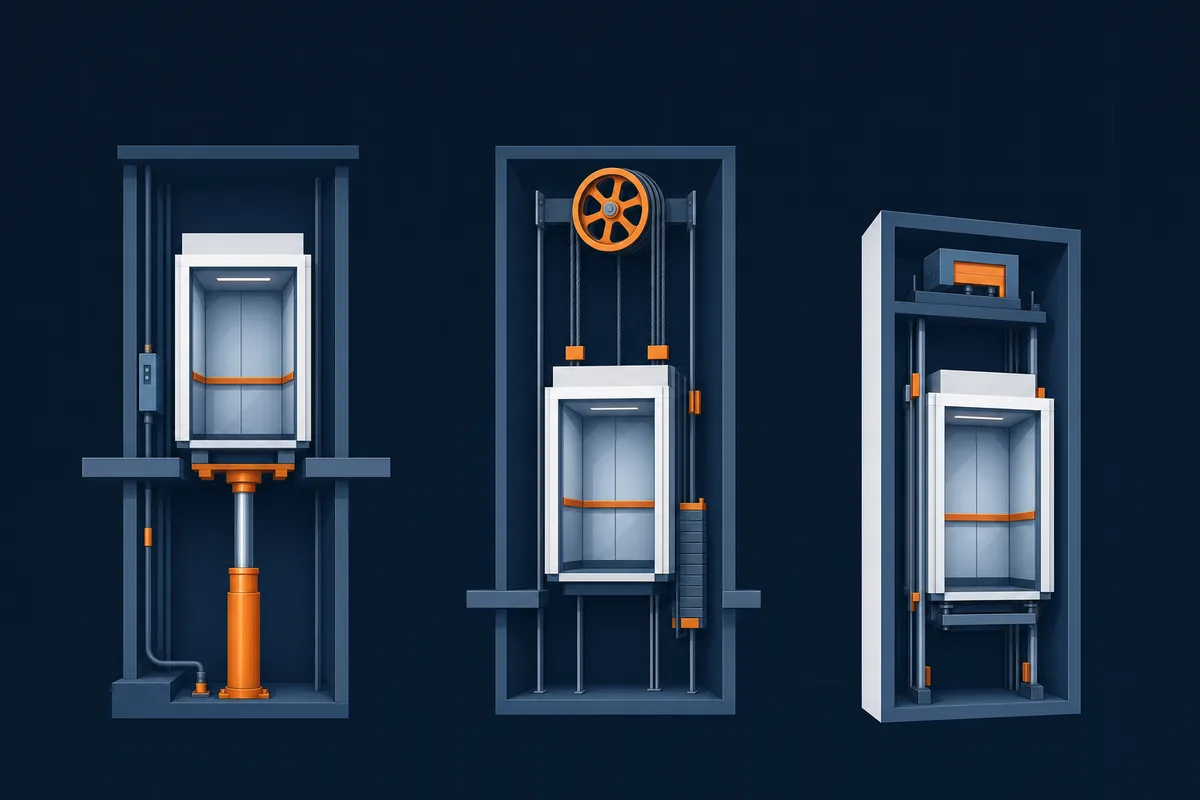
Asansör çeşitleri temelde tahrik yöntemine göre ayrılır. Halatlı sistemlerde kabin askı halatlarıyla hareket eder. Hidrolik sistemlerde kabin hidrolik güçle kaldırılır. Makine dairesiz asansörlerde ise tahrik ekipmanı ayrı bir makine odası yerine kuyu içinde çözülür. Hangi sistemin uygun olduğu binanın yüksekliği, kullanım yoğunluğu, kuyu ölçüleri, enerji beklentisi ve bakım erişimine göre değişir.
Bursa'da konut, iş merkezi, villa ve sanayi yapılarında farklı asansör tipleriyle karşılaşılır. Doğru seçim için asansör montaj hizmeti öncesi mimari ve teknik koşullar birlikte incelenmelidir.
Halatlı asansörler: dişli ve dişlisiz çözümler
Halatlı asansörlerde motor, kasnak ve askı halatları kabini hareket ettirir. Karşı ağırlık sistemi kabinin yükünü dengeler; böylece motor daha verimli çalışır. Fren sistemi kabinin kontrollü durmasını sağlar. Bu sistemler konutlardan ticari binalara kadar geniş kullanım alanına sahiptir.
Dişli sistemlerde motor gücü redüktör üzerinden kasnağa aktarılır. Eski yapılarda veya belirli uygulamalarda görülebilir. Dişlisiz sistemlerde ise motor daha doğrudan çalışır; sessizlik, konfor ve enerji verimliliği açısından avantaj sağlayabilir. Ancak seçim yalnızca "dişli mi dişlisiz mi" sorusuyla bitmez. Kuyu ölçüsü, hız ihtiyacı, durak sayısı, servis erişimi ve bütçe birlikte değerlendirilmelidir.
Halatlı asansörlerde askı halatları, kasnaklar, fren sistemi, regülatör ve güvenlik tertibatı düzenli bakım ister. Bu parçalar can güvenliğiyle doğrudan ilgili olduğu için bakım kayıtlarının düzenli tutulması gerekir. Asansör bakım hizmeti bu sistemlerde yalnızca konfor değil, güvenli işletme için de zorunludur.
Hidrolik asansörler nerede kullanılır?
Hidrolik asansörler, kabinin hidrolik güç ünitesi ve silindir yardımıyla hareket ettiği sistemlerdir. Düşük ve orta seyir mesafelerinde, özel yük ihtiyaçlarında veya bazı mimari koşullarda uygun çözüm olabilir. Hareketin kontrollü olması ve ağır yük uygulamalarında sağlayabildiği avantajlar nedeniyle yük asansörlerinde de sık değerlendirilir.
Bu sistemlerde hidrolik yağ, pompa, valf grubu, silindir ve kumanda düzeni doğru tasarlanmalıdır. Makine yerleşimi, bakım erişimi, kuyu dibi koşulları ve enerji kullanımı seçimde önemlidir. Hidrolik sistem her bina için otomatik olarak doğru seçenek değildir; özellikle kullanım yoğunluğu ve seyir mesafesi arttıkça farklı çözümler daha uygun olabilir.
Hidrolik asansörlerde bakım sırasında yağ kaçakları, hortum ve bağlantılar, valf ayarları, seviyeleme hassasiyeti ve güvenlik devreleri dikkatle takip edilir. Kullanıcı açısından konforlu görünen bir sistemin güvenli kalması, düzenli teknik kontrolle mümkündür.
Makine dairesiz asansör nedir?
Makine dairesiz asansör, ayrı bir makine odasına ihtiyaç duymadan motor ve tahrik bileşenlerinin kuyu içinde çözümlendiği sistemdir. Modern konut ve ticari projelerde mimari alan kazancı, daha esnek tasarım ve verimli motor teknolojileri nedeniyle tercih edilebilir. Özellikle yeni projelerde baştan planlandığında güçlü bir çözüm sunar.
Makine dairesiz sistemlerde servis erişimi ve kuyu içi çalışma güvenliği iyi tasarlanmalıdır. Motor, fren, kumanda ve kurtarma prosedürleri bakım personelinin güvenli şekilde erişebileceği biçimde planlanmalıdır. Bu nedenle makine dairesiz asansör seçimi, yalnızca alan kazanımı düşünülerek yapılmamalıdır.
Mevcut binalarda makine dairesiz çözüme geçmek bazen mümkün olabilir, bazen de kuyu ölçüleri veya yapı koşulları nedeniyle uygun olmayabilir. Keşif yapılmadan kesin karar verilmemelidir.
Hangi bina tipine hangi sistem uygundur?
Düşük katlı konutlarda hidrolik veya makine dairesiz çözümler değerlendirilebilir. Orta ve yoğun kullanımlı apartmanlarda halatlı veya makine dairesiz sistemler öne çıkabilir. İş merkezlerinde hız, trafik yoğunluğu ve enerji verimliliği daha kritik hale gelir. Sanayi ve depo yapılarında ise yük tipi, kabin dayanımı ve operasyon sürekliliği belirleyicidir.
Villa ve ev içi uygulamalarda daha kompakt, düşük hızlı ve mimariye uyumlu çözümler düşünülür. Burada konfor, sessizlik, erişilebilirlik ve bakım kolaylığı önemlidir. Fakat ev tipi asansörlerde de güvenlik standartları ve düzenli bakım göz ardı edilmemelidir.
Doğru sistemi seçmek için bina sahibi veya yönetim, yalnızca ilk maliyete değil uzun vadeli bakım, enerji kullanımı, servis erişimi ve revizyon ihtimaline bakmalıdır. Asansörün amacı can ve yükü güvenle taşımaktır; sistem seçimi bu sorumluluğa göre yapılmalıdır.
Bina yaşı da seçimde belirleyicidir. Yeni projelerde kuyu, makine alanı, elektrik altyapısı ve kapı yerleri baştan tasarlanabilir. Mevcut binalarda ise var olan ölçüler, taşıyıcı yapı, tesisat geçişleri ve kullanıcı alışkanlıkları kararı sınırlar. Bu nedenle "en yeni sistem" her zaman en uygun sistem değildir; en uygun sistem, binanın gerçek koşullarında güvenli ve sürdürülebilir çalışandır.
Enerji verimliliği ve konfor farkları
Modern asansörlerde motor teknolojisi, kumanda sistemi, aydınlatma, bekleme modu ve hareket kontrolü enerji tüketimini etkiler. Dişlisiz motorlar, doğru seçilmiş sürücüler ve verimli kumanda sistemleri bazı yapılarda daha düşük enerji kullanımı ve daha sessiz çalışma sağlayabilir. Ancak enerji verimliliği yalnızca ekipman seçimiyle değil, doğru kapasite ve kullanım senaryosuyla da ilgilidir.
Konfor tarafında kalkış ve duruş yumuşaklığı, seviyeleme hassasiyeti, kapı hızı, kabin titreşimi ve gürültü önemlidir. Eski asansörlerde bu başlıklar zamanla bozulabilir. Kullanıcı şikayetleri arttığında veya bakım kayıtlarında benzer arızalar tekrar ettiğinde sistem daha geniş incelenmelidir.
Enerji verimliliği değerlendirilirken kullanım yoğunluğu da hesaba katılmalıdır. Az kullanılan bir konut asansörü ile sürekli çalışan bir iş merkezi asansörünün tasarruf potansiyeli aynı değildir. Doğru kumanda ayarı, aydınlatma seçimi ve bekleme modu gibi küçük görünen kararlar, konforu bozmadan işletme maliyetini azaltabilir.
Eski motor ve makine grupları ne zaman yenilenmeli?
Asansör motoru, fren ve kumanda sistemi yaşlandığında arızalar sıklaşabilir. Gürültü, titreşim, kat seviyesinde hatalı durma, kapı problemleri, ani duruşlar, yüksek enerji tüketimi veya Asansör Periyodik Kontrol Yönetmeliği kapsamındaki periyodik kontrol uygunsuzlukları yenileme ihtiyacına işaret edebilir. Bu durumda yalnızca arızalı parçayı değiştirmek kısa vadeli çözüm olabilir; sistemin genel durumu birlikte değerlendirilmelidir.
Asansör revizyon hizmeti, eski motor, kumanda panosu, kapı sistemi, kabin ve güvenlik bileşenlerini teknik olarak inceler. Gerektiğinde arıza servisi kayıtları ve periyodik kontrol raporları da karar sürecine dahil edilir.
Oluşum Asansör, Bursa ve çevresinde hidrolik, halatlı, makine daireli ve makine dairesiz asansörler için montaj, bakım, revizyon ve servis desteği sunar. Binanız için doğru asansör tipini belirlemek veya eski sisteminizi modernize etmek istiyorsanız bize ulaşın; teknik keşifle güvenli seçeneği netleştirelim.