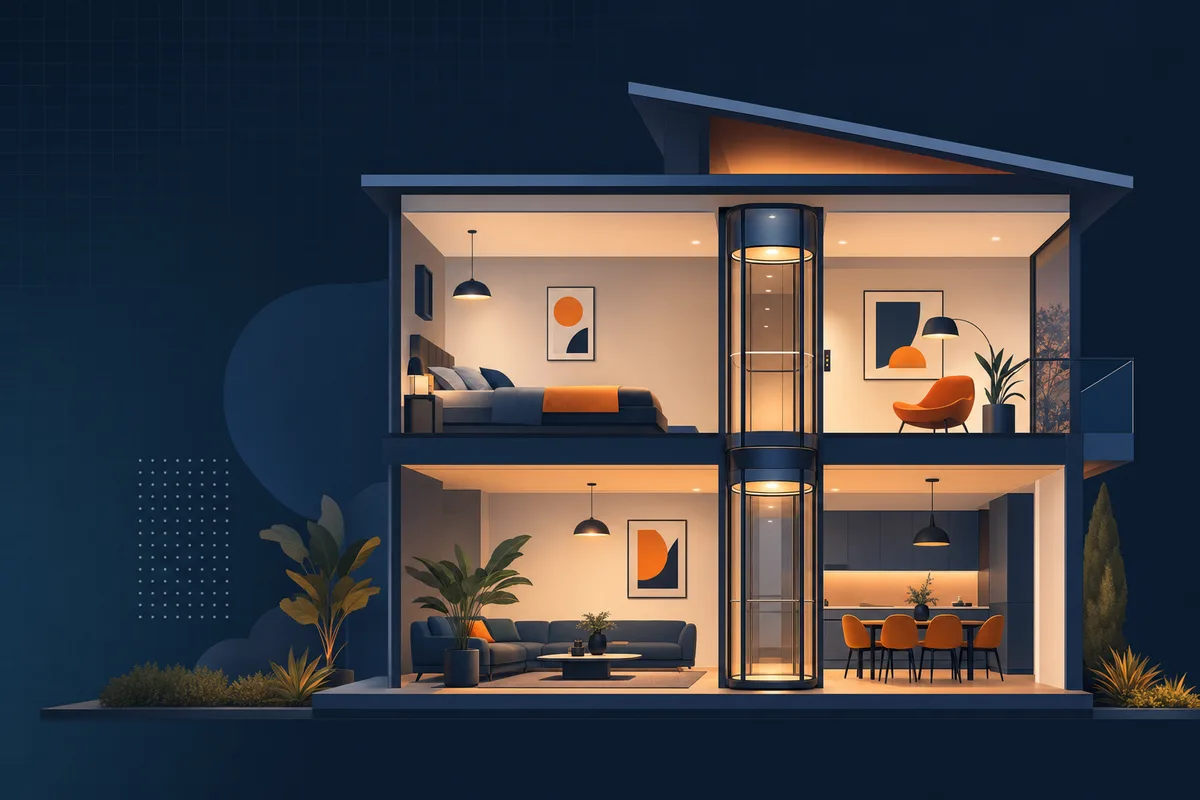
Ev ve villa asansörü ne zaman mantıklı olur?
Ev asansörü ve villa asansörü, yalnızca lüks veya konfor tercihi olarak görülmemelidir. Çok katlı evlerde yaşlı kullanıcıların, hareket kısıtlılığı olan bireylerin, çocuklu ailelerin veya yoğun eşya taşıyan kullanıcıların günlük yaşamını ciddi biçimde kolaylaştırabilir. Merdiven kullanımı zorlaştığında evin üst katları fiilen kullanılmaz hale gelebilir; doğru planlanan küçük asansör bu sorunu güvenli şekilde çözer.
Bursa'da müstakil ev, dubleks daire ve villa projelerinde ev tipi asansör talebi giderek daha sık gündeme gelir. Yeni projelerde asansör boşluğu baştan planlanabilirken, mevcut yapılarda merdiven ortası, iç boşluk veya dış cephe seçenekleri değerlendirilir. Her durumda amaç, mimariye uyumlu ama can güvenliğinden ödün vermeyen bir sistem kurmaktır.
Ev içi asansör fiyatları için tek bir liste vermek doğru değildir. Çünkü yerleşim, durak sayısı, sistem tipi, kabin malzemesi ve inşaat hazırlığı her evde değişir. İlk adım asansör montaj keşfi olmalıdır.
Ev tipi sistemlerin apartman asansöründen farkı nedir?
Ev tipi asansörler genellikle daha düşük kullanım yoğunluğuna, daha kompakt ölçülere ve mimari uyum beklentisine göre tasarlanır. Kabin ölçüsü, hız, kapı tipi ve kumanda seçenekleri konut içi kullanıma göre sadeleştirilebilir. Ancak bu, güvenlik yaklaşımının zayıflayacağı anlamına gelmez. Asansör can taşır; evde kullanılan sistem de güvenlik devreleri, kapı kilitleri, acil haberleşme ve düzenli bakım gerektirir.
Villa asansörlerinde sessiz çalışma ve estetik daha çok önem kazanır. Cam veya panoramik kabin, özel kaplama, aydınlatma ve iç mimariye uyumlu panel seçenekleri tercih edilebilir. Buna karşılık teknik alan, kuyu ölçüsü, bakım erişimi ve enerji beslemesi doğru planlanmazsa estetik çözüm uzun vadede sorun çıkarabilir.
Makine dairesiz çözümler bazı evlerde alan avantajı sağlayabilir. Hidrolik veya farklı kompakt sistemler de bina koşullarına göre değerlendirilebilir. Karar, hazır bir model seçmekten çok evin mimarisine ve kullanıcı ihtiyacına uygun sistem tasarlamakla verilmelidir.
Ev tipi sistemlerde kullanım alışkanlığı da sorulmalıdır. Asansörü ağırlıklı olarak yaşlı bir kullanıcı mı kullanacak, çocuklar tek başına binecek mi, alışveriş ve eşya taşıma sık olacak mı, evde evcil hayvan veya yardımcı personel kullanımı var mı? Bu bilgiler kabin içi dayanım, buton yerleşimi, kapı hızı ve acil iletişim tercihlerini etkileyebilir.
Yerleşim seçenekleri nasıl değerlendirilir?
Mevcut evlerde en çok incelenen seçenekler merdiven ortası, iç boşluk ve dış cephedir. Merdiven ortasında yeterli alan varsa kullanıcı katlar arasında doğal bir erişim elde eder. Fakat merdiven genişliği, taşıyıcı elemanlar, korkuluklar ve güvenli geçiş alanı dikkatle değerlendirilmelidir. Merdiveni kullanılamaz hale getiren bir çözüm doğru değildir.
İç boşluk seçeneği, evin planında uygun bir hacim bulunuyorsa daha temiz bir mimari sonuç verebilir. Bu durumda katlarda kapı açılımı, zemin kesitleri, elektrik tesisatı ve kullanım akışı birlikte incelenir. Dış cephe seçeneği ise içeride yeterli yer olmayan yapılarda alternatif olabilir. Dış cephe asansöründe zemin, cephe bağlantısı, yağmur etkisi, giriş kotu ve estetik görünüm önemlidir.
Yerleşim kararı alınırken günlük rota da düşünülmelidir. Kullanıcı asansöre garajdan mı, giriş holünden mi, salon veya merdiven alanından mı ulaşacak? Kabin kapısı açıldığında mobilya, kapı kanadı veya dar koridorla çakışma olacak mı? Ev içi asansörün konforu, teknik sistem kadar bu küçük hareket akışlarına bağlıdır.
Sonradan asansör ekleme sürecini daha geniş anlatan binaya sonradan asansör yaptırma rehberi, özellikle mevcut villa ve eski konutlarda karar vermeye yardımcı olabilir.
Fiyatı belirleyen faktörler nelerdir?
Ev asansörü fiyatını belirleyen başlıkların başında durak sayısı, taşıma kapasitesi, sistem tipi, kabin ölçüsü, kuyu veya şaft hazırlığı, kapı çözümü, cam veya panoramik tercih, özel kaplama ve montaj koşulları gelir. Mevcut yapıda inşaat hazırlığı gerekiyorsa kapsam değişir. Yeni projede ise asansör alanı baştan planlandığı için süreç daha kontrollü ilerleyebilir.
Kabin estetiği evlerde önemli bir karar başlığıdır. Paslanmaz, cam, ahşap görünümlü yüzeyler, aydınlatma ve zemin seçenekleri fiyatı etkileyebilir. Fakat estetik tercihler teknik gerekliliklerin önüne geçmemelidir. Kapı güvenliği, kabin dayanımı, acil durum sistemi ve bakım erişimi önce düşünülmelidir.
Ucuz tekliflerde hangi işlerin dahil olmadığı mutlaka sorulmalıdır. Kuyu hazırlığı, elektrik bağlantısı, montaj sonrası test, bakım başlangıcı, garanti ve arıza servisi yaklaşımı açık değilse sonradan ek maliyet ve zaman kaybı yaşanabilir. Ev içi uygulamalarda da profesyonel süreç yönetimi gerekir.
Erişilebilirlik ve konfor nasıl dengelenir?
Ev asansörünün en önemli faydalarından biri erişilebilirliktir. Yaşlı veya engelli kullanıcılar için kabin ölçüsü, kapı açıklığı, buton yüksekliği, aydınlatma, tutamak ve kat seviyesinde duruş hassasiyeti konfor kadar güvenlik konusudur. Kullanıcı tekerlekli sandalye kullanıyorsa dönüş alanı ve kapı yönü ayrıca düşünülmelidir.
Konfor tarafında sessiz çalışma, yumuşak kalkış ve duruş, kabin havalandırması, aydınlatma ve iç tasarım önemlidir. Evdeki kullanıcı asansörü gün içinde az kullansa bile her kullanım güvenli ve rahat olmalıdır. Kapıların gereksiz sert kapanması, kat seviyesinde fark oluşması veya kabin içinde tedirginlik yaratan sesler ihmal edilmemelidir.
Bu tür belirtiler varsa bakım firmasıyla paylaşılmalı ve sistem kontrol edilmelidir. Küçük şikayetler, zamanında ele alınmadığında daha büyük arızalara dönüşebilir.
Bakım ihtiyacı evde de devam eder
Ev tipi asansörlerin daha az kullanılması, bakım ihtiyacını ortadan kaldırmaz. Kapı kilitleri, güvenlik devreleri, motor veya hidrolik bileşenler, kumanda sistemi, acil haberleşme ve seviyeleme düzenli kontrol edilmelidir. Uzun süre kullanılmayan sistemlerde bile parçalar çevresel koşullardan etkilenebilir.
Düzenli asansör bakım hizmeti, ev asansörünün güvenli kalmasını ve beklenmedik arızaların azalmasını sağlar. Eskiyen veya sık sorun çıkaran ev tipi sistemlerde asansör revizyonu gerekebilir. Asansör Periyodik Kontrol Yönetmeliği kapsamındaki periyodik kontrol ve etiket süreçleri hakkında genel bilgi için asansör periyodik kontrol rehberini inceleyebilirsiniz.
Ev sahipleri bakım ziyaretlerini yalnızca zorunluluk olarak görmemelidir. Teknik ekip küçük sesleri, kapı davranışını, seviye farkını veya kullanıcı şikayetlerini erken fark ettiğinde daha büyük arızaların önüne geçilebilir. Bu da hem güvenlik hem ev içi konfor açısından değer taşır.
Bakım kayıtları düzenli tutulduğunda ev sahibi sistemin yaşlanmasını ve olası yenileme zamanını daha sağlıklı takip eder.
Oluşum Asansör, Bursa ve çevresinde ev, villa ve dubleks yapılar için kompakt asansör çözümleri, dış cephe uygulamaları, bakım ve servis desteği sunar. Evde güvenli erişim ve konfor için doğru seçeneği belirlemek istiyorsanız bize ulaşın; yapınızı yerinde inceleyelim, uygulanabilir çözümü birlikte planlayalım.