Asansör fiyatları neden binaya göre değişir?
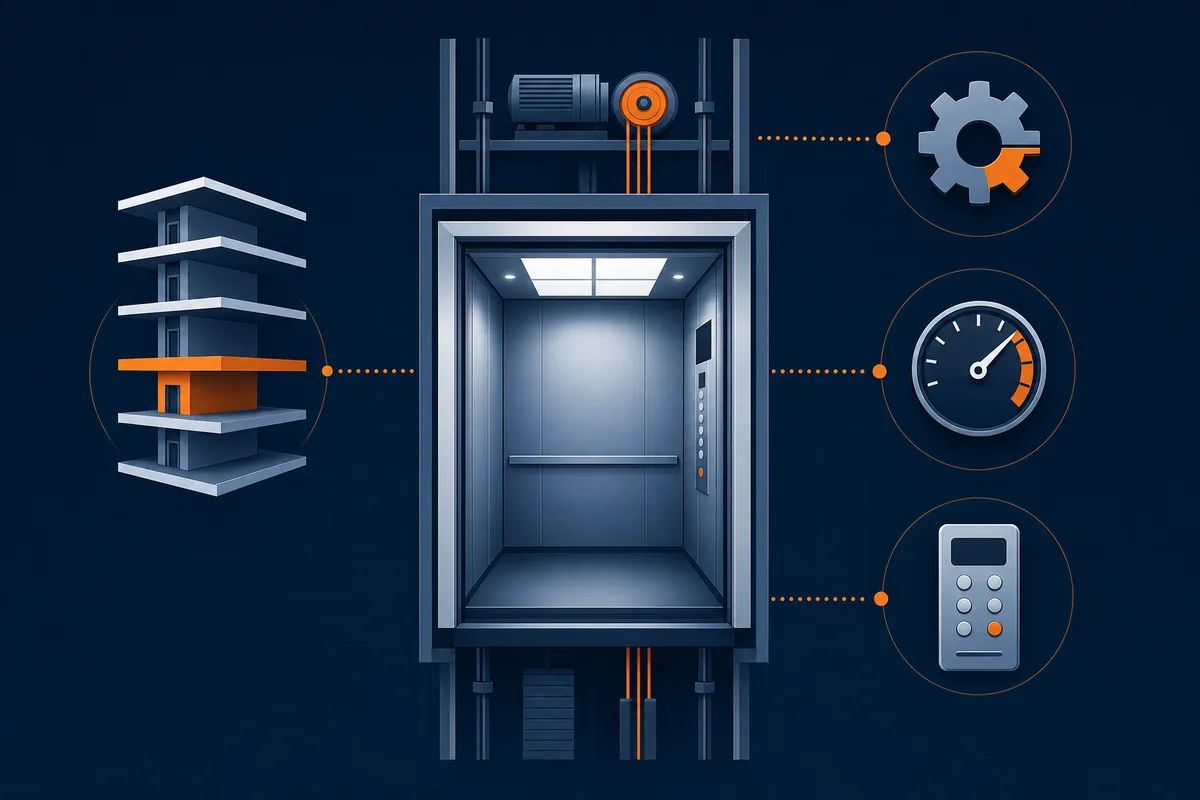
Asansör fiyatları hakkında en sık gelen soru, "standart bir liste var mı" sorusudur. Kısa cevap şudur: güvenilir bir asansör firması, binayı ve ihtiyacı görmeden kesin kapsam konuşmamalıdır. Çünkü asansör; kuyu, kapı, motor, kumanda, kabin, güvenlik ekipmanları, proje ve montaj koşullarından oluşan bütünlüklü bir sistemdir. Bir apartmanda kolay görünen montaj, başka bir binada kuyu ölçüsü veya elektrik altyapısı nedeniyle farklı kapsam gerektirebilir.
Bursa'da yeni yapılan konut projeleri, iş merkezleri, villa uygulamaları ve eski binalar birbirinden çok farklı ihtiyaçlar doğurur. Apartman asansör fiyatları ile fabrika yük asansörü maliyeti aynı mantıkla konuşulamaz. Aynı şekilde yeni montaj ile mevcut asansörün revizyonu da farklı değerlendirilir.
Bu nedenle doğru yaklaşım, fiyatı belirleyen faktörleri anlamak ve keşif sonrası net teklif almaktır. Asansör montaj hizmeti için hazırlanan teklif, yalnızca kabini değil, sistemin güvenli çalışmasını sağlayan tüm bileşenleri kapsamalıdır.
Teklif karşılaştırırken aynı başlıkların aynı kapsamda yazılı olduğundan emin olunmalıdır. Bir firmanın dahil ettiği proje koordinasyonu, diğerinde kapsam dışı olabilir. Bir teklif kapı ve kabin malzemesini açık belirtirken diğeri genel ifade kullanabilir. Bu farklar netleşmeden "pahalı" veya "ucuz" yorumu yapmak sağlıklı değildir. Yönetimin amacı, aynı teknik zeminde karşılaştırma yapmaktır.
Durak sayısı, kapasite ve hız neyi değiştirir?
Yeni montajda ilk teknik belirleyiciler durak sayısı, taşıma kapasitesi ve hızdır. Durak sayısı arttıkça kapı, kumanda, kablolama, güvenlik devreleri ve montaj işçiliği de buna göre şekillenir. Kapasite ise kabin ölçüsünü, tahrik sistemini, halat veya hidrolik bileşenleri ve güvenlik tasarımını etkiler.
Kullanıcıların internette aradığı "4 kişilik asansör fiyatları" gibi ifadeler pratik bir başlangıç olabilir; ancak kapasite yalnızca kişi sayısıyla düşünülmemelidir. Binanın kullanım yoğunluğu, engelli erişimi, sedye veya yük taşıma ihtimali, kapı açıklığı ve kabin içi ölçüler birlikte değerlendirilmelidir. Günlük kullanımda yetersiz kapasite, konforsuz bekleme süreleri ve daha hızlı yıpranma anlamına gelebilir.
Hız seçimi de bina yüksekliği ve trafik beklentisine göre yapılır. Düşük katlı konutlarda farklı, yoğun kullanılan ticari yapılarda farklı çözüm gerekir. Gereğinden yüksek teknik özellik seçmek bütçeyi gereksiz artırabilir; yetersiz seçim ise kullanım konforunu ve sistem ömrünü olumsuz etkileyebilir.
Makine dairesi, kuyu ve kapı tipi fiyatı nasıl etkiler?
Asansörün makine daireli, makine dairesiz veya hidrolik çözüme uygun olması maliyetin ana başlıklarından biridir. Mevcut mimari, kuyu üst boşluğu, kuyu dibi, makine dairesi alanı ve elektrik beslemesi bu kararı etkiler. Yeni projelerde bu alanlar baştan planlanabilir; mevcut binalarda ise ölçüler çözümü sınırlandırabilir.
Kuyu durumu özellikle önemlidir. Düzgün hazırlanmış, ölçüleri uygun, tesisat çakışması olmayan bir kuyu ile tadilat gerektiren bir kuyu aynı kapsamda değildir. Kapı tipi de maliyeti ve kullanım deneyimini belirler. Otomatik kapı, yarı otomatik kapı, geniş açıklık ihtiyacı, yangına dayanım beklentisi ve kat kapısı detayları teklif içinde ayrı ayrı değerlendirilir.
Kabin malzemesi de yalnızca estetik konu değildir. Paslanmaz yüzeyler, cam detaylar, zemin kaplaması, aydınlatma, tutamaklar ve panel seçenekleri hem görünümü hem de dayanımı etkiler. Yoğun kullanılan binalarda kolay temizlenen ve darbelere dayanıklı malzemeler uzun vadede daha doğru olabilir.
Kuyu ve kapı ölçüleri ayrıca erişilebilirlik açısından da değerlendirilmelidir. Dar kapı açıklığı, sedye veya tekerlekli sandalye ihtimalinde sorun çıkarabilir. Bu nedenle fiyat konuşurken yalnızca bugünkü kullanıcı sayısı değil, binanın ilerideki kullanım ihtiyacı da düşünülmelidir. Sonradan değişiklik yapmak çoğu zaman baştan doğru planlamaktan daha zahmetlidir.
Revizyon maliyetinin mantığı neden farklıdır?
Mevcut bir asansörde revizyon konuşuluyorsa soru "yeni asansör kaç tutar" değil, "hangi bileşenler güvenli ve ekonomik şekilde korunabilir" olmalıdır. Kumanda panosu, motor, fren sistemi, kapı operatörü, kabin, halatlar, sinyalizasyon, güvenlik devreleri ve acil haberleşme tek tek incelenir. Bazı asansörlerde kapsam sınırlı kalabilir; bazılarında ise güvenlik ve konfor için daha geniş yenileme gerekir.
Revizyonun amacı yalnızca görünümü yenilemek değildir. Sık arıza, seviyeleme problemi, kapı hataları, yüksek gürültü, düşük konfor, eski kumanda sistemi veya Asansör Periyodik Kontrol Yönetmeliği kapsamındaki periyodik kontrolde tekrar eden uygunsuzluklar teknik kararın parçasıdır. Asansör revizyon hizmeti bu nedenle keşif ve rapor okumasıyla başlar.
Mevcut asansörün etiket durumu da önemlidir. Kırmızı, sarı, mavi veya yeşil etiketlerin ne anlama geldiğini bilmiyorsanız asansör etiket renkleri rehberini inceleyebilirsiniz. Fiyat kararını güvenlik ihtiyacından ayırmak doğru değildir.
Doğru teklif için hangi bilgiler paylaşılmalı?
Teklif istemeden önce yönetim veya proje sahibi bazı bilgileri hazırlarsa süreç hızlanır. Bina tipi, kat ve durak bilgisi, kullanım amacı, mevcut kuyu ölçüleri, istenen kapasite, kapı yönleri, kabin beklentisi, makine dairesi durumu, elektrik altyapısı ve varsa mimari proje paylaşılmalıdır. Mevcut asansör için arıza kayıtları, bakım raporları ve periyodik kontrol bulguları da değerlidir.
Bu bilgiler firmaya yalnızca fiyat çıkarmak için değil, doğru teknik çözümü seçmek için gerekir. Örneğin aynı kapasite isteği, kuyu ölçüsü uygun değilse farklı kapı veya kabin yerleşimi gerektirebilir. Dış cepheye sonradan yapılacak bir sistemde ise zemin, kule ve giriş bağlantısı ayrıca incelenir.
Keşif yapılmadan verilen tekliflerde "dahil olmayan işler" mutlaka sorgulanmalıdır. Proje, nakliye, montaj, elektrik bağlantıları, testler, teslim sonrası bakım, arıza müdahalesi ve garanti yaklaşımı açık değilse yönetim ileride beklenmeyen kararlarla karşılaşabilir.
Ucuz teklifin riski nedir?
Asansör can taşıyan bir sistem olduğu için en ucuz teklif her zaman en doğru teklif değildir. Düşük fiyat; eksik kapsam, zayıf malzeme, belirsiz servis desteği, standartlara uyumsuz uygulama veya bakımda yetersizlik anlamına gelebilir. İlk yatırımda cazip görünen karar, daha sık arıza, daha düşük güvenlik seviyesi ve daha erken revizyon ihtiyacı doğurabilir.
Teklifleri karşılaştırırken marka ve model bilgisi, güvenlik ekipmanları, kapı ve kabin malzemesi, montaj süreci, teslim dokümanları, bakım planı ve arıza servisi desteği birlikte değerlendirilmelidir. Yönetim, fiyatın yanında uzun vadeli işletme maliyetini ve can güvenliği sorumluluğunu da düşünmelidir.
Bakım ve servis desteği, teklifin görünmeyen ama kritik bölümüdür. Yeni asansör teslim edildikten sonra düzenli kontrol, kullanıcı şikayetlerinin takibi ve arıza anında ulaşılabilir ekip gerekir. Bu nedenle asansör bakım hizmeti ve servis organizasyonu olmayan bir teklif, başlangıçta cazip görünse bile yönetim için eksik kalır.
Oluşum Asansör, Bursa ve çevresinde yeni montaj, revizyon, bakım ve servis ihtiyaçları için yerinde keşif yaparak teknik kapsamı netleştirir. Asansör yaptırma maliyetini doğru anlamak ve karşılaştırılabilir teklif almak istiyorsanız bize ulaşın; binanızın koşullarını birlikte inceleyelim, güvenli ve sürdürülebilir çözümü belirleyelim.